
Field and Lab Services
Twining supports forensic structural engineers with field investigation, laboratory testing, petrography, and engineering analysis of concrete, masonry, and steel. One materials science partner, from the site to the report.
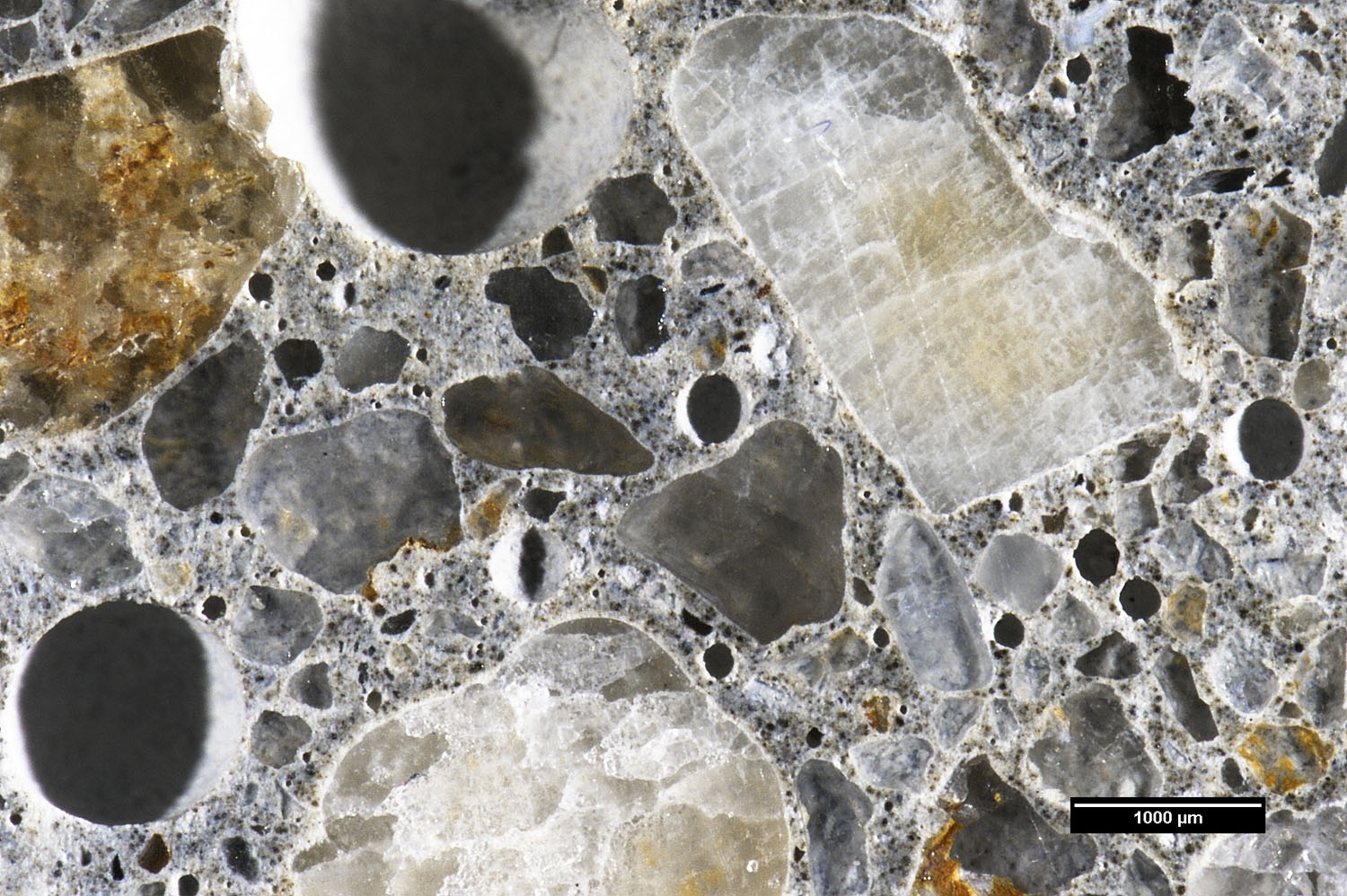
Forensic structural investigations live or die on defensible data. When a claim, dispute, or failure analysis depends on knowing why concrete cracked, why steel corroded, or why a structure is underperforming, engineers need field documentation and laboratory results that will hold up to scrutiny, not just numbers on a report. Twining offers a holistic package of services allowing to overcome these hurdles .
Coordinating that work across separate field crews, testing labs, and petrographers slows investigations down and introduces gaps in the chain of custody and documentation that opposing experts can exploit.
Typical Challenge Points

Service Overview
Twining provides forensic structural engineering firms with field, laboratory, and specialty consulting materials science services covering the concrete-built environment structural and reinforcing steel ,and masonry. Our team works alongside your investigation from initial site documentation through laboratory testing and engineering interpretation, so every finding is backed by consistent, standards-based data.
Three Ways Twining Supports Your Investigation
Field Services
Documentation & Condition Surveys
- Development and confirmation of as-built documentation.
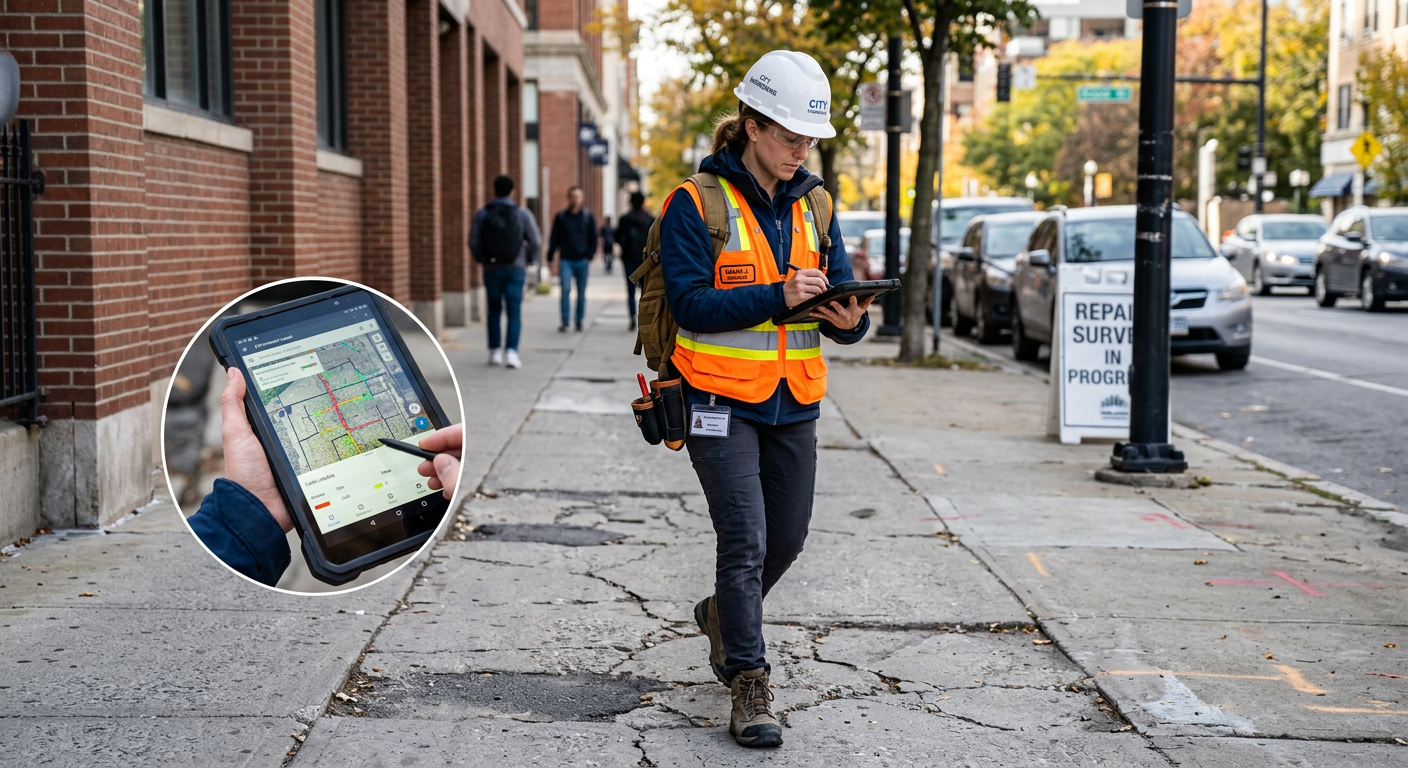
- Field survey and documentation of reinforced concrete structures, flatwork and pavements, unit masonry, plaster, stucco, steel, and welded connections.
- Photo and video documentation, including drone survey of building façades with 3-D model development, conventional visual pavement survey, and AI-assisted at-speed-of-traffic pavement survey.
.jpg)
Sampling & Testing Program Support
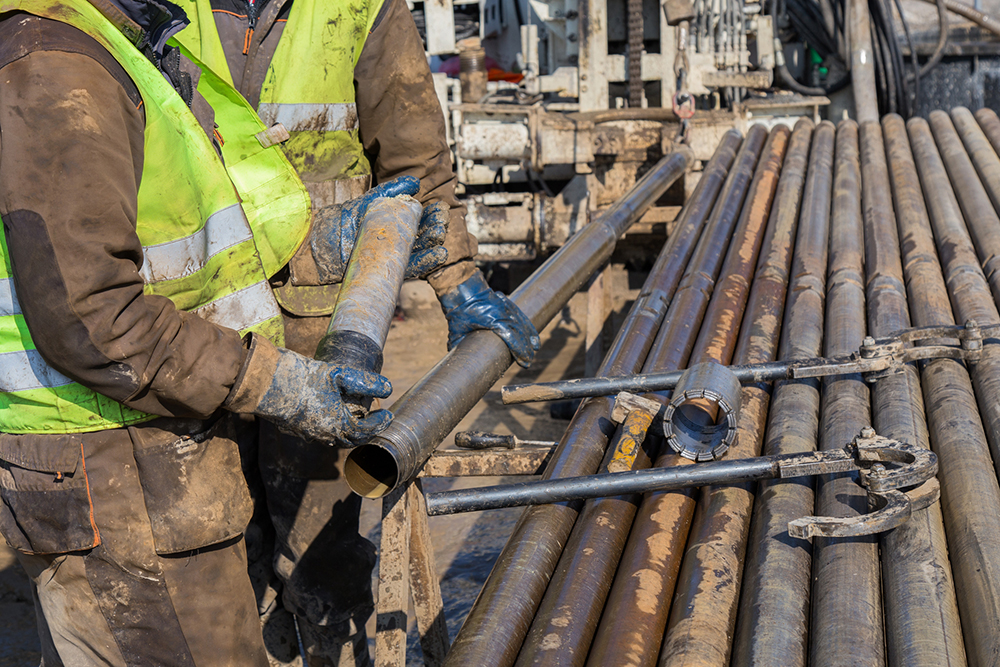
- Technical support in developing and implementing materials sampling and testing programs.
- Material sampling of concrete, masonry, mortar, grout, plaster, reinforcing steel, structural steel, weld material, and flooring materials, with repair of extraction locations to original condition (including negative-pressure environments for facilities such as medical buildings).
Nondestructive & Semi-Invasive Evaluation
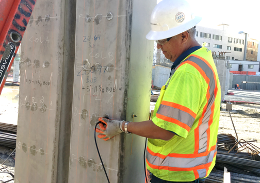
- Ground-penetrating radar (variable frequency antennas), ultrasonic pulse velocity, impact echo, half-cell potential survey, shear wave tomography, boroscopic observations, infrared thermography, internal relative humidity and vapor emission measurements, surface resistivity, magnetic particle and liquid penetrant testing of welds, phased array ultrasonic testing, and Leeb hardness testing.
In-Situ & Condition Monitoring
- Condition and crack monitoring.
- Flat-jack in-situ compressive strength testing of unreinforced solid-unit masonry.
- In-situ measurement of masonry mortar joint shear strength index and deformability properties.
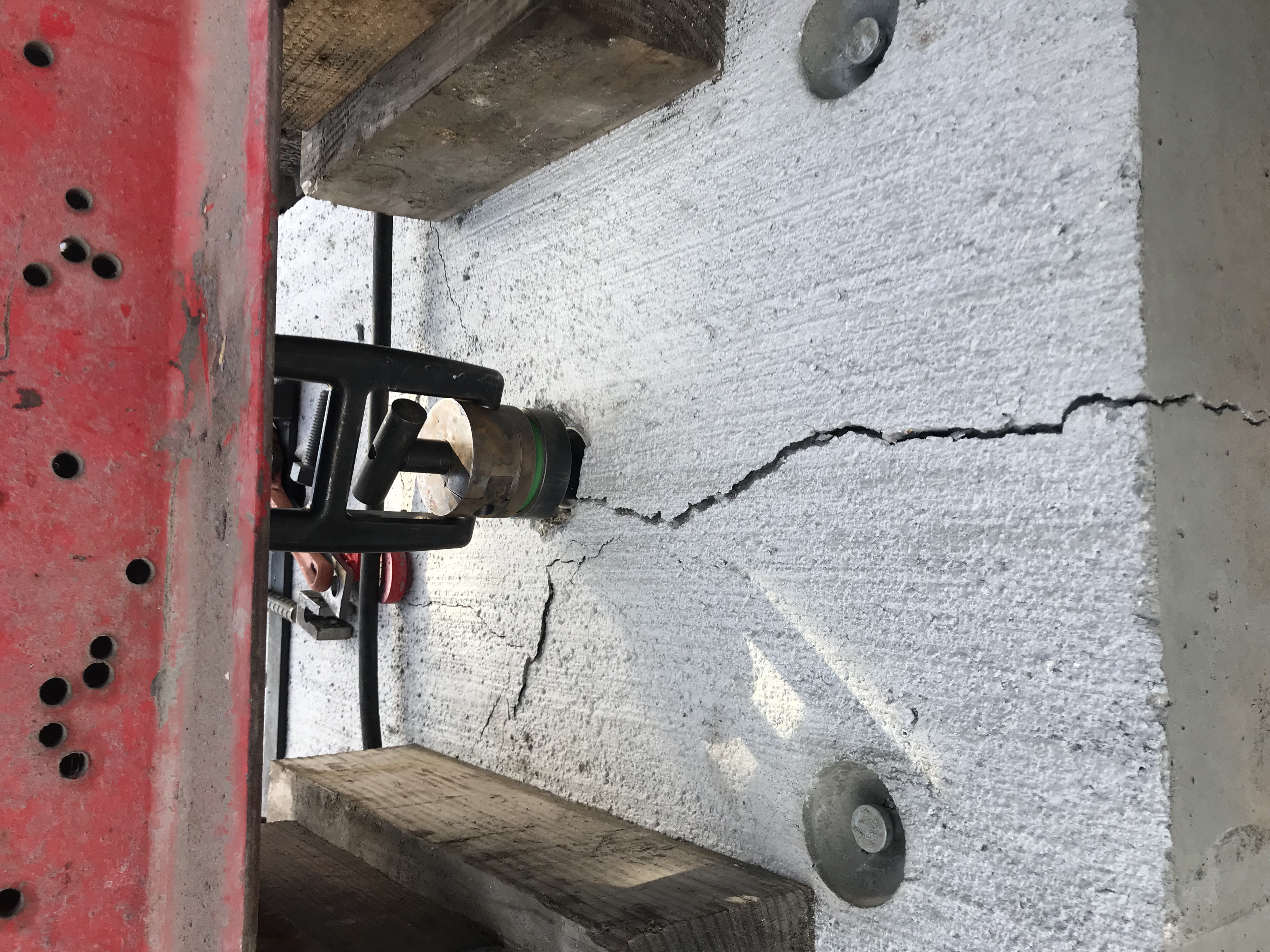
- Pull-out testing of epoxy-installed anchors and pull-off testing of overlays.
We offer a wide range of specialty geotechnical testing and engineering services to support field evaluations and surveys of structures and pavements.
Laboratory Services
Engineering, Forensic & Consulting Services
Concrete
- Evaluation of material properties affecting functional and structural performance and durability, including mechanical, elastic, and transport properties.
- Characterization of concrete composition — materials, volumetric proportions, w/cm, air-void system — along with consolidation, hydration, and uniformity.
- Determination of material-related durability and distress mechanisms, including:
- Alkali-aggregate reaction and deleterious expansion (AAR damage rating index)
- Salt corrosion, external sulfate attack, and delayed ettringite formation
- Distress from volumetrically unstable aggregates and fire damage
- Freezing and thawing deterioration and scaling
- Chloride accumulation and profiling, and carbonation/neutralization resulting from early age.
- Characterization of conditions from early-age concrete performance and construction practices: volume changes, segregation, bleeding, differential stiffening, inadequate curing, non-structural cracking, delaminations, crusting, and compromised near-surface curing zones.
- Identification and characterization of distress, defects, and cracking-initiating conditions and mechanisms.
- Service-life evaluation and modeling of reinforced concrete elements — probabilistic simulation of reinforcing steel corrosion initiation based on fib Model Code Bulletin 34 (a USACE-approved method).
- Materials engineering support for planned and emergency repair and rehabilitation procedures.
Plaster
- Evaluation of the presence, thickness, and condition of plaster-constituting coats (scratch, brown, and finish).
- Characterization of the composition and condition of individual coats and the integral plaster system.
Mortar
- Characterization of composition, proportions, and condition of mortar samples.
Where needed and requested, we provide supplementary forensic geotechnical services to support engineering, forensic, and consulting work.
How It Works
Twining manages field investigation, laboratory testing, and engineering interpretation as one connected process, so nothing is lost in translation between vendors.
01
Scope & Consultation
We review the structure, the questions your investigation needs answered, and any litigation or claims timeline, then recommend the field and lab program to fit.
02
Field Investigation
Twining technicians document conditions, perform nondestructive evaluations, and extract samples statewide, maintaining chain of custody throughout.
03
Laboratory Testing & Petrography
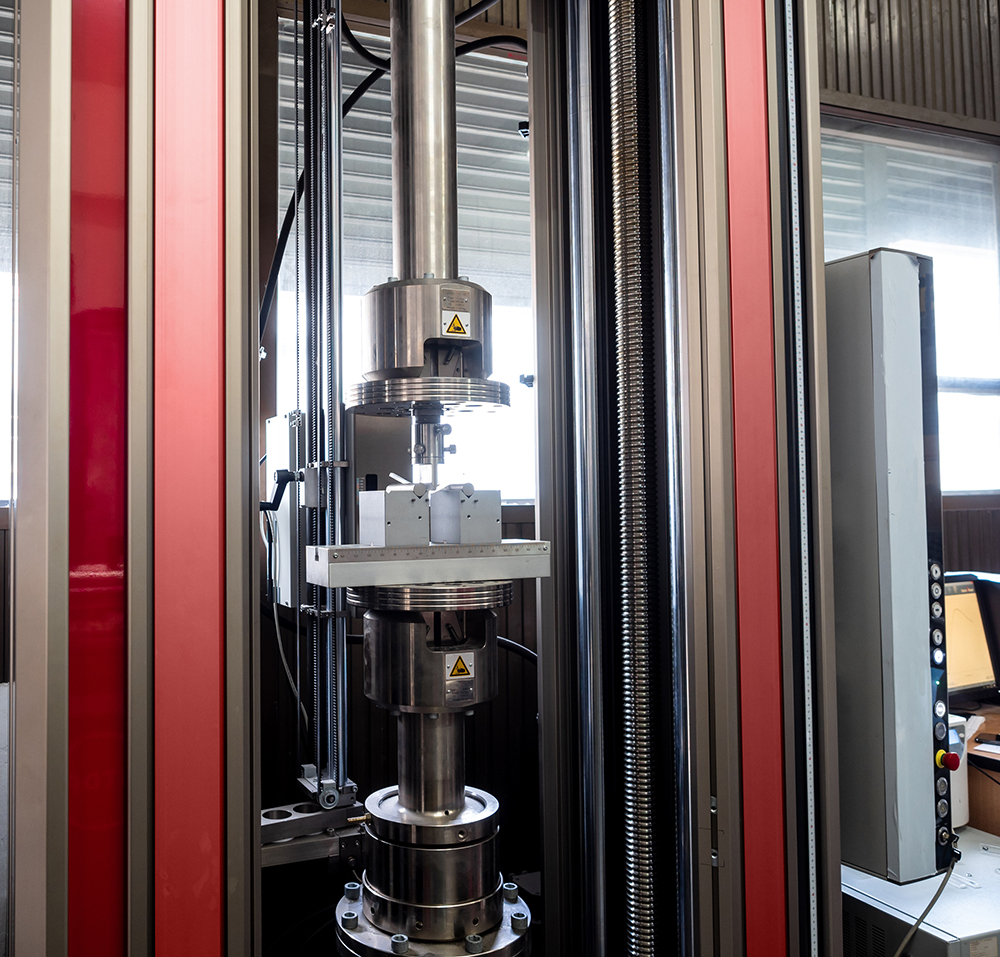
Samples move to Twining's accredited labs nationwide for mechanical, transport-property, and petrographic testing, performed to ASTM standard.
04
Engineering Analysis & Reporting
Twining engineers interpret the data, identify distress mechanisms, and deliver findings in a report structured to support your investigation.
05
Ongoing Expert Support
Twining remains available to support follow-up testing, additional analysis, or clarification as your investigation or case progresses.
Why Twining
Forensic findings are only as strong as the science and standards behind them. Twining brings nearly 125 years of materials engineering experience to every investigation, with the accredited lab capabilities and licensed technical staff that forensic structural engineers need to build a defensible case.
- Field investigation, laboratory testing, petrography, and engineering interpretation happen under one roof — no gaps between vendors.One partner, full chain.
- Every test follows ASTM protocols with documented chain of custody, built for scrutiny in claims and litigation. Standards-based, litigation-ready.
- Petrographic examination, scanning electron microscopy, and service-life modeling that many general materials labs can't offer. Specialty capabilities in-house.
- California-wide field crews paired with laboratory services available to clients nationwide .Statewide field reach, nationwide lab network.
- Supplementary forensic geotechnical services available when an investigation extends beyond the structure itself. Adjacent expertise on demand.
Field-to-lab-to-report materials science for forensic structural investigations.
Frequently Asked Questions
What is petrographic examination, and when do I need it?
Petrographic examination uses optical and scanning electron microscopy to identify a concrete or mortar sample's composition, air-void system, and distress mechanisms — such as alkali-aggregate reaction, sulfate attack, or freeze-thaw damage — that mechanical testing alone can't diagnose. It's typically used when the cause of distress, not just its extent, is in question.
Do you work statewide, nationwide, or both?
Field investigation and sampling services are available California-wide. Laboratory testing, petrography, and engineering consulting are available to clients nationwide.
Can Twining support litigation or insurance claims?
Yes. Our field and lab work follows ASTM protocols with documented chain of custody, and our engineers can provide the technical analysis and reporting forensic investigations rely on for claims and litigation support.
What's the difference between field nondestructive testing and laboratory testing?
Field nondestructive and semi-invasive methods — like ground-penetrating radar, ultrasonic pulse velocity, or half-cell potential survey — assess conditions in place without full extraction. Laboratory testing examines physically extracted samples for precise mechanical, transport, and compositional properties. Most investigations use both.
How do you handle sampling in occupied or sensitive facilities?
Extraction locations are repaired to original condition, and where required — for example, in medical buildings — sampling can be performed in a negative-pressure environment to protect occupants and operations.
Can Twining evaluate steel and welded connections as well as concrete?
Yes. Our field and lab services cover structural and reinforcing steel and welded connections, including magnetic particle and liquid penetrant testing, coupon testing, and chemical composition and pitting analysis.
Building a forensic investigation that needs to hold up? Let's talk materials science.
Whether you're scoping a field investigation, need specialty laboratory testing, or are looking for one partner to carry an investigation from the site to the report, Twining's forensic materials science team is ready to help.